Monday, November 28, 2011

Evaluating Senior's Driving Abilities

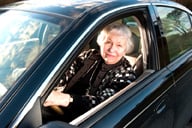
Elderly drivers have become a growing concern in society. With life expectancy increasing throughout the U.S. , the number of older drivers continues to rise as well. As people age, the operation of a motor vehicle can become difficult due to poor eyesight and slow reflexes.

This discussion is often very difficult and emotional for the adult child as well as the parent. It is crucial to consider the impact this will have on your parent and how you can make the transition easier on them.

Here are six tips you can use to help your loved one understand why it is time to find alternative transportation methods without them resenting having their independence taken way.

Build a case - if you feel safe doing so, take a drive with your parent, letting them drive. It may turn out that your parent is a safer driver than you suspected. If not, you can discuss your experience with them later.

Steer the conversation towards recent headlines - Discuss a local or national news headline about an elderly driver causing an accident. This will help give you a sense of what your parent is thinking. You may want to ask about when they plan to give up driving. If they say, "Oh, in 5 or 10 years, " you will know what you are up against.

Be gentle but firm - try not to be insulting or attacking. If your parent becomes angry or hurt, they may not leave the topic up for discussion.

Rely on experts - Realize that it may be difficult for your parents to agree with you. Suggest they visit their doctor or ophthalmologist to get an assessment. There may be a treatable medical condition that could make their driving safer. If not, it may be easier for your parent to hear it from a medical professional than their own child.

Offer solutions - Help your parent come up with solutions to their transportation issues. Offer to give them rides when you can. When you can't be there, consider a professional caregiver and companion service, such as Comfort Keepers. Your parent may be relieved to be able to go where they want, when they want, without the worries of parking and night driving.

Giving up the freedom of driving can be a difficult time for a loved one. Get them the assistance they need to make the transition as easy as reasonably possible. Remember that though it may be a difficult discussion to have, it may save someone's life.


Winter Safety for Seniors

Northern Michigan is beautiful, but it can also be harsh in the winter. When winter temperatures drop, staying warm and safe can become a challenge, especially for older adults. There are several factors that can put the elderly at risk during winter storms and lengthy sub-zero periods such as unexpected power or heating system failure.
Exposure to cold temperatures, whether indoors or outdoors, can cause serious or life-threatening health problems. The U.S. Department of Health and Human Services and Comfort Keepers have provided these tips for seniors to remain safe during the cold weather season. Other dangers to consider are icy sidewalks and cold and flu viruses.
With proper precautions, winter does not have to confine seniors to their homes. They can enjoy these months safely by taking additional care and caution. Follow these tips to protect against illness, body heat loss, and other potential winter health problems.


· Be cautious with space heaters – Do not place a space heater within three feet of anything that may catch on fire, such as drapes, furniture, or bedding, and never cover your space heater. In addition to being a fire hazard, space heaters may also increase the risk of carbon monoxide poisoning.


· Consistently check the temperature – Older adults often make less body heat because of a slower metabolism and less physical activity. When over 65 years of age, it is important to check home temperatures often especially during severely cold weather. The thermostat should be set to 65 degrees to prevent hypothermia. This will also prevent freezing pipes. Often times, seniors will turn heat down to save money on their monthly bill. Caulking or plastic sheets can be used to protect windows and keep the warm air inside and bring peace of mind to seniors worried about their energy bill.


· Check smoke and carbon monoxide detectors – Carbon Monoxide can be a very dangerous gas emitted by fuel-burning heaters and appliances. Seniors’ bodies can’t dispose of carbon monoxide as quickly as younger adults. Check to make sure all smoke and carbon monoxide detectors work within the home.


· Eat nutritiously – Eating well-balanced meals will help seniors stay warmer. Also, alcohol and caffeinated beverages should be avoided because they can cause body temperatures to drop more rapidly. Even though the heat may be gone, it is still important to drink at least six to eight glasses of water a day. This can help prevent dry skin problems as well as dehydration.


· Safety precautions – If a cane is used to assist in walking be sure to replace the rubber tip to prevent falls. When driving in the winter be sure to get the car tuned up, keep the gas tank near full and check to make sure the car has good tires.


· Dress appropriately – Be sure the outer layer of clothing is tightly woven, preferably wind resistant, to reduce body-heat loss caused by wind. Using wool, silk or polypropylene as the inner layers of clothing will hold more body heat than cotton. Mittens are warmer than gloves because your fingers produce heat when they are touching. Wear a hat to protect against heat loss through the head.


· Take breaks during outdoor winter tasks – Many forget how much energy it takes to shovel snow in the driveway or walkway. Cold weather during the winter can put added strain on the heart. It is important to warm up the body prior to these chores and take frequent breaks to prevent problems or injuries.


· Make sure that seniors you know have cleared drives and sidewalks that are well-salted. Snow and ice make fall risk even higher than normal this time of year.


· Make sure that seniors have appropriate transportation to medical appointments and the grocery store; it may not be the right time for them to drive themselves. Services like Comfort Keepers can assist with this.


· Keep a water supply – Have an extra supply of bottled water (up to five gallons per person) in case pipes freeze or rupture.


By preparing a senior’s home for the winter months and taking the necessary safety precautions, you can reduce the risk of weather-related health problems. If you know elderly persons who are unable to prepare for extreme cold-weather conditions, they can take advantage of a service, such as Comfort Keepers to help make sure they are safe, warm and well-fed this winter.